Insights
What To Do When Asbestos Is Discovered During Demolition
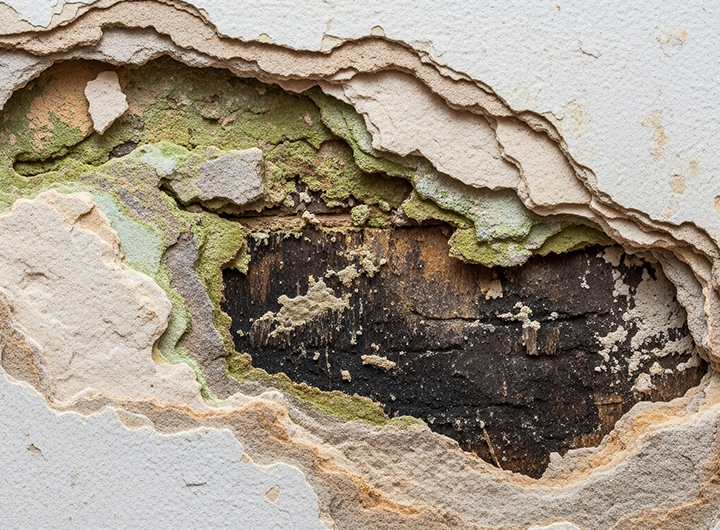
Asbestos discoveries during demolition projects are more common than many people realize. For project owners, contractors, and workers, an unexpected discovery can range from a minor inconvenience to an immediate "everyone stop touching everything" moment. But with the right information, communication, and team in place, it's a manageable situation. How a project team responds during the first few hours after a discovery can often mean the difference between a minor delay and a costly, complex shutdown.
Why Asbestos Shows Up During Demolition
By the time the dangers of asbestos became widely understood, it was already baked into the bones of buildings everywhere. Unfortunately, the drawings are usually missing, the renovations were never documented, and the guy who knew where everything was retired to Florida 15 years ago and isn't returning calls.
Renovated buildings add another layer of complexity, literally. New flooring may conceal original asbestos-containing materials, drywall may cover older finishes, and fireproofing can remain hidden above ceilings. This is why a quality pre-demolition asbestos survey is so important. While a thorough survey helps identify suspect materials before work begins, it has its limits. Inspectors can only assess accessible areas, and older buildings can still have surprises waiting behind a wall or beneath a floor.
What To Do When Asbestos Is Discovered During Demolition
Building owners and management teams should have an emergency response plan in place before a release ever occurs. That plan could include immediate air monitoring to define the extent of contamination, timely documentation of who was in or near the release area, and established procedures for securing affected areas, evaluating potential exposures, and engaging qualified environmental consultants to support response and cleanup efforts.
The plan should also include having a clear understanding of your lab results and what they mean. Receiving sample data is only useful if your team knows what to do with it and why. Your environmental consultant should be a partner in developing, interpreting, and acting on that data, not just a sample collector.
Communication Is Critical
In the absence of clear communication, rumors spread fast, and, on a job site, that means unnecessary panic, worker walkouts, and unwanted regulatory attention. Notify project owners, general contractors, and affected subcontractors promptly and accurately. Thorough documentation and communication throughout the response process helps establish a clear timeline of events before memories fade, and everyone starts remembering things a little differently. The story should come from you, not from someone's interpretation.
Choosing The Right Asbestos Consultant
A strong environmental consultant brings more than regulatory knowledge and sampling expertise. They bring the practical experience needed to evaluate risks, navigate uncertainty, and develop solutions that protect people while helping projects and operations move forward.
If you have questions about potential environmental concerns or would like assistance evaluating your facility, contact MFA. Our team of experts can help identify potential issues before they become emergencies and provide practical guidance when timely decisions matter most.
Contact
Questions About Asbestos or Hazardous Building Materials?
Whether you're planning a demolition project or responding to an unexpected discovery, MFA can help you assess risks, navigate regulations, and keep your project moving. Contact us to get started.

Share this article on social media/email
Author